All 18 notes
Published 2026-09-06
- The process
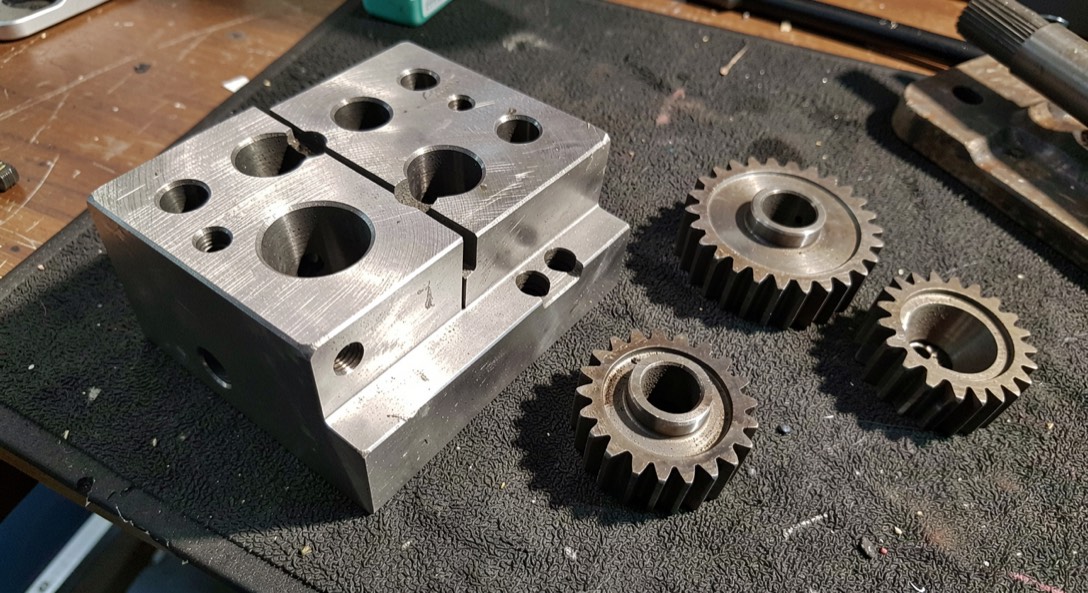
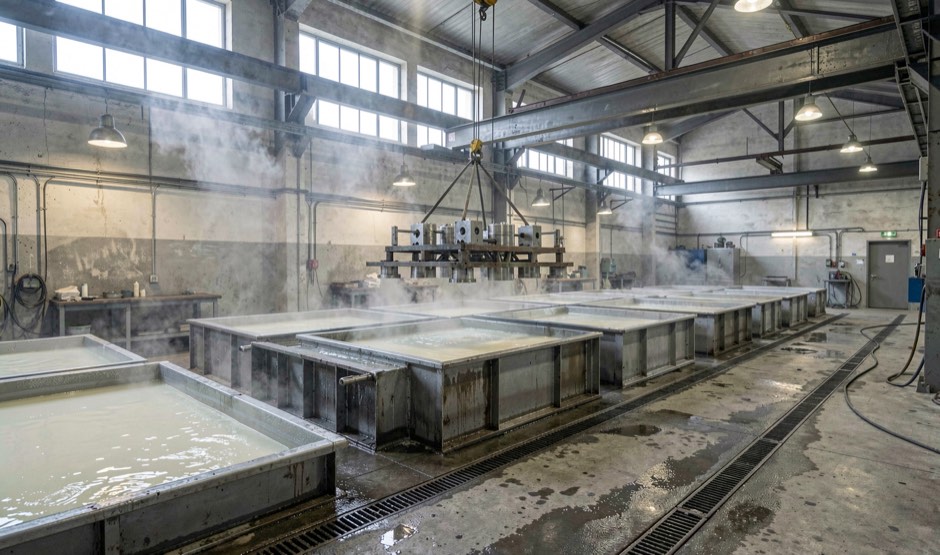
Where electroless nickel actually ends up: parts, industries and salvage
Where electroless nickel-phosphorus works: valves, fuel rails, disk substrates, circuit boards and salvage, with the figures public sources stand behind.
- The process
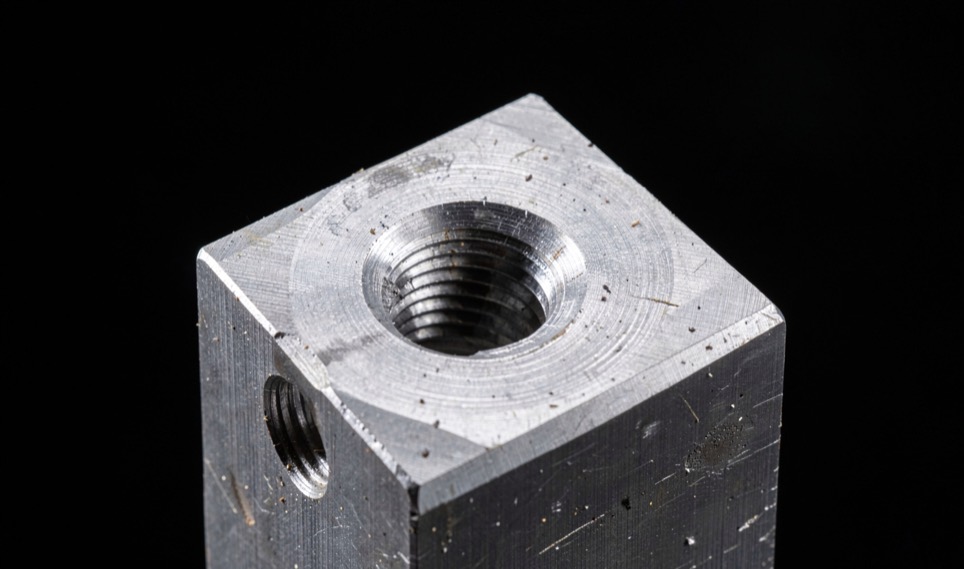
Why electroless nickel coats a blind hole and electroplating does not
Where an electroplated deposit thins out, and how an autocatalytic nickel bath reaches blind holes, internal threads and non-conductive parts.
- The process
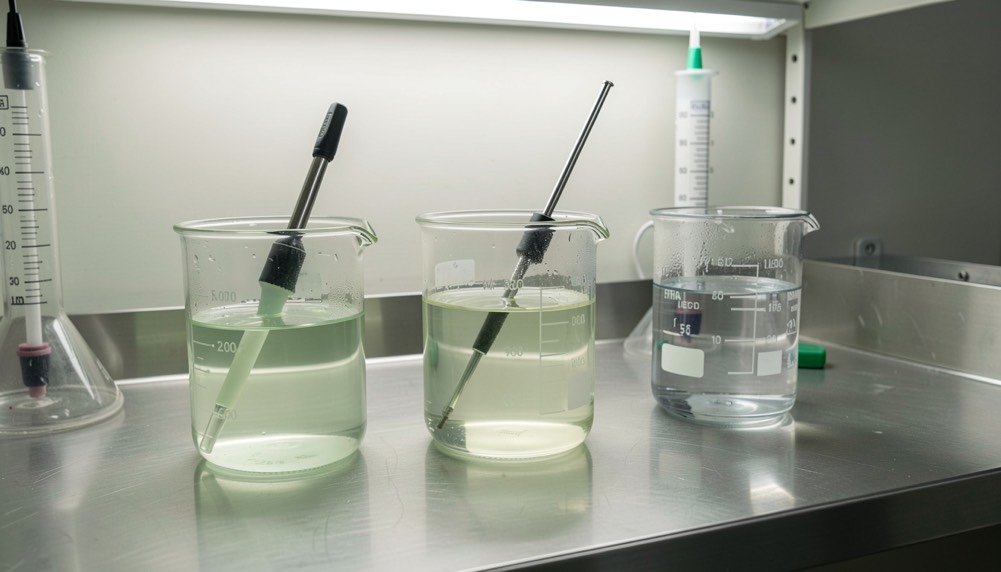
What is in an electroless nickel bath, and how a surface is activated
What goes into an electroless nickel bath, what each additive does and costs, and the activation routes that let different substrates accept a deposit.
- The process

The 1946 discovery at the National Bureau of Standards
A dated account of how an accidental find at the National Bureau of Standards gave autocatalytic nickel plating its name and its chemistry.
- Properties and testing
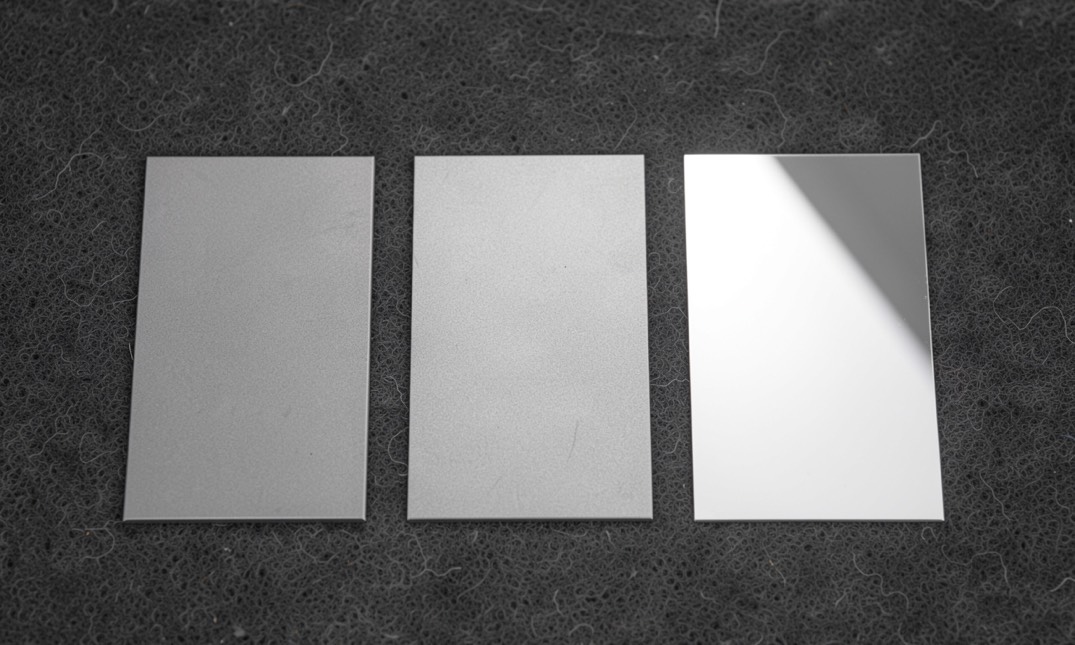
Low, medium and high phosphorus: what actually changes
The phosphorus percentage sets the deposit’s structure, melting point, magnetism and corrosion behavior; this note gives each range with its condition.
- Properties and testing
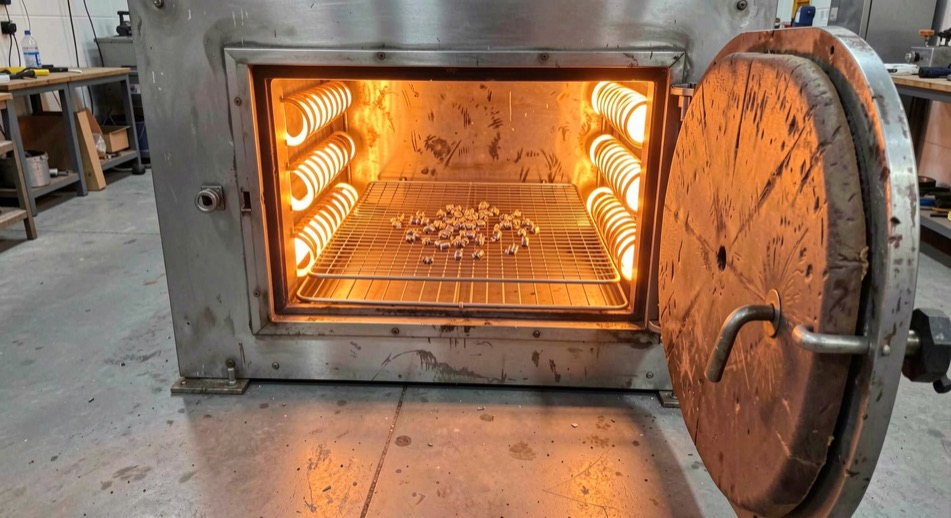
Hardness and post-plate baking
How to read a Vickers number with its load and dwell time, why an indent can measure the substrate instead of the coating, and what a bake changes.
- Properties and testing
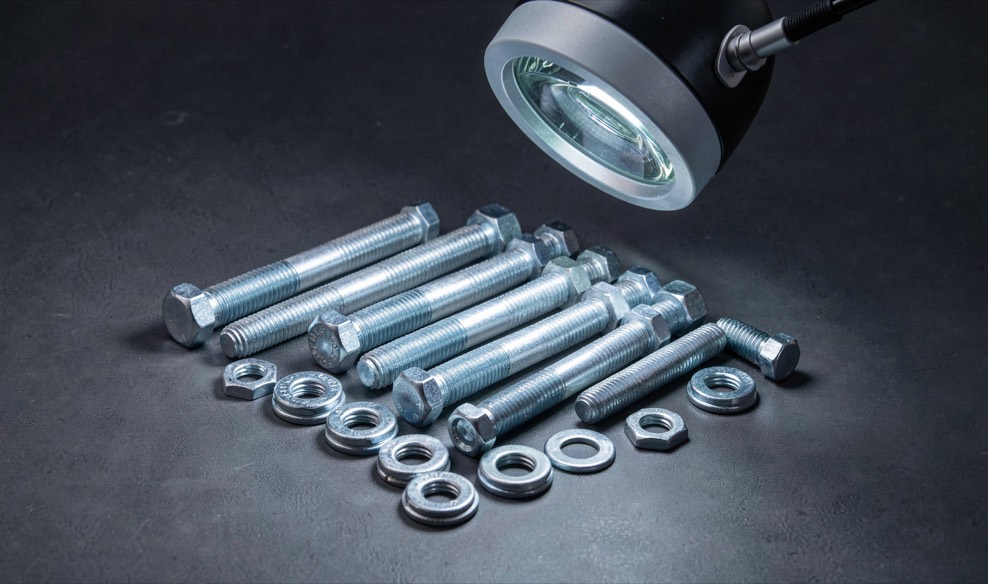
Hydrogen embrittlement and relief baking
What it takes for hydrogen to crack a plated steel part, the temperature and hardness window where it bites, and what baking can and cannot fix.
- Properties and testing
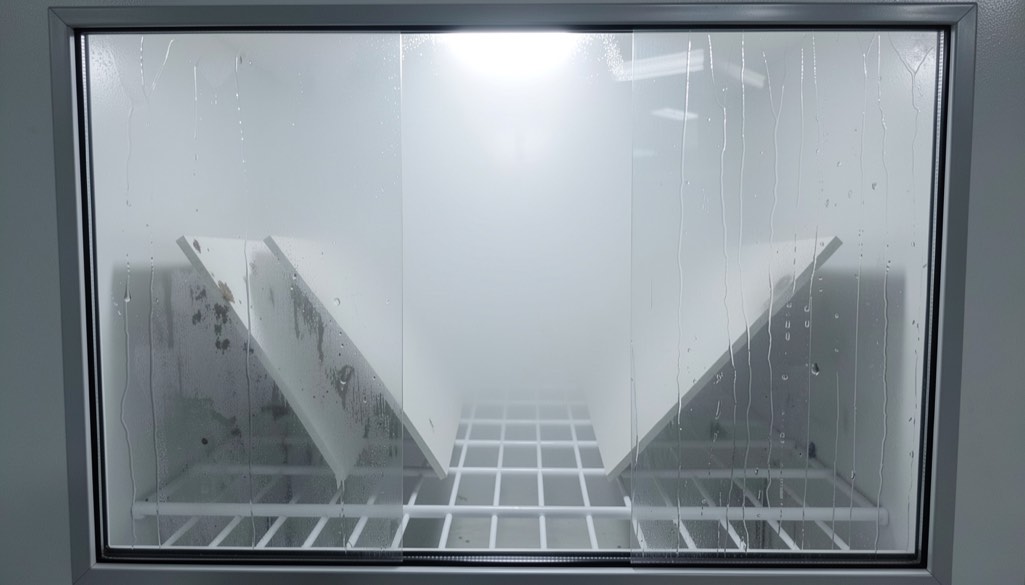
What a salt spray test proves, and what it does not
The fog cabinet, the 5 percent sodium chloride solution, the pH windows, and what a pass in hours actually certifies about a coating batch.
- Properties and testing
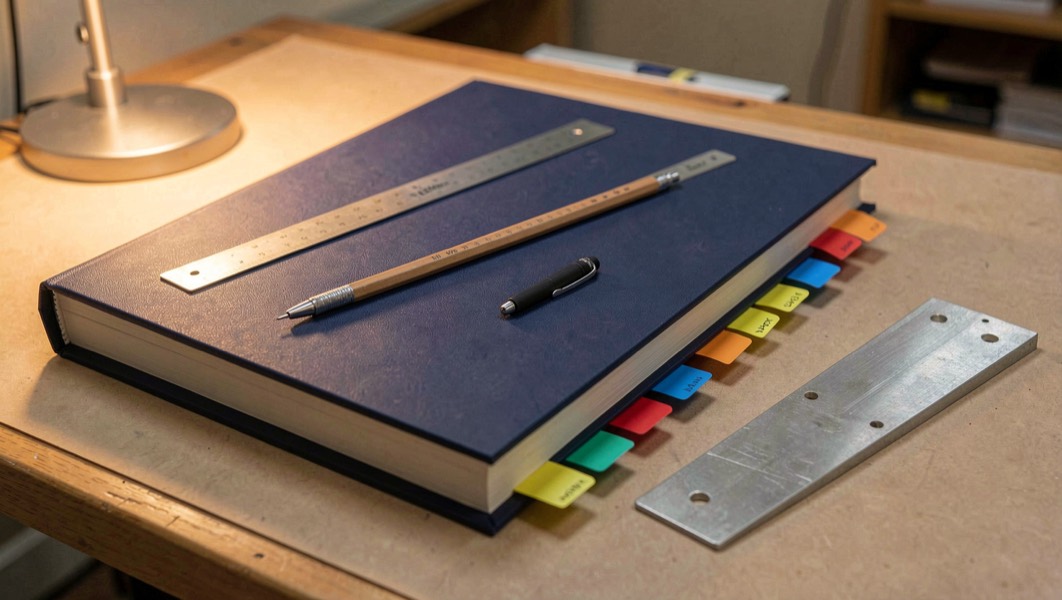
A map of the standards that name electroless nickel
Designations and scope for the electroless nickel, chromate conversion, zinc plating and salt spray documents, with no requirements reproduced.
- Composites and companion coatings
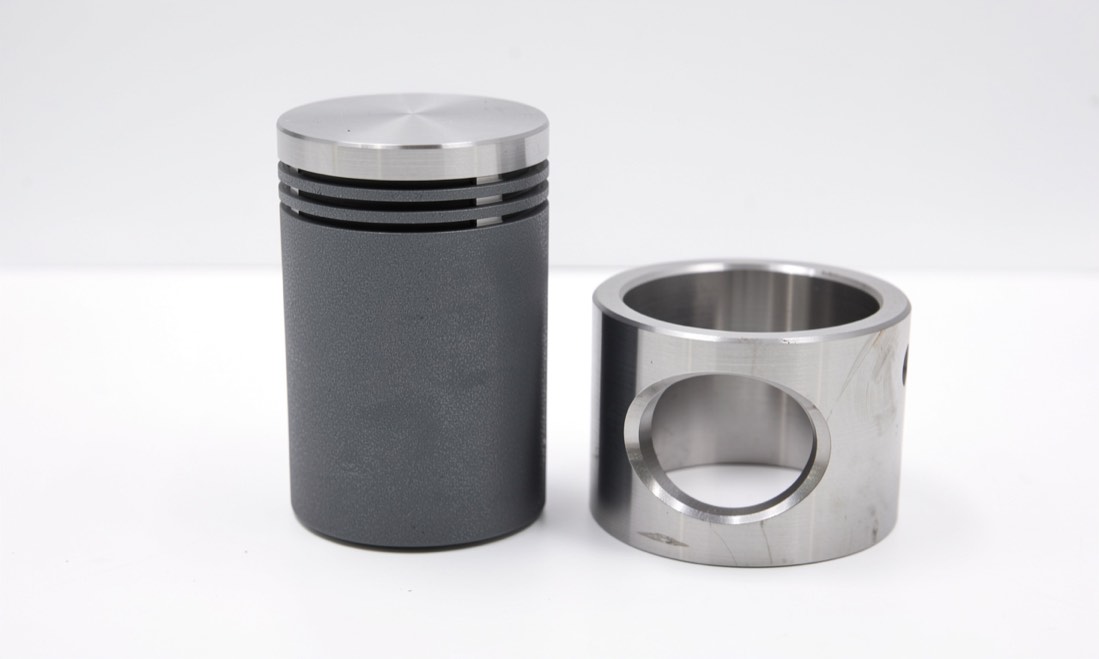
PTFE codeposition: the low friction composite deposit
What PTFE brings to an electroless nickel bath, where the composite came from, and which numbers the public sources actually support.
- Composites and companion coatings
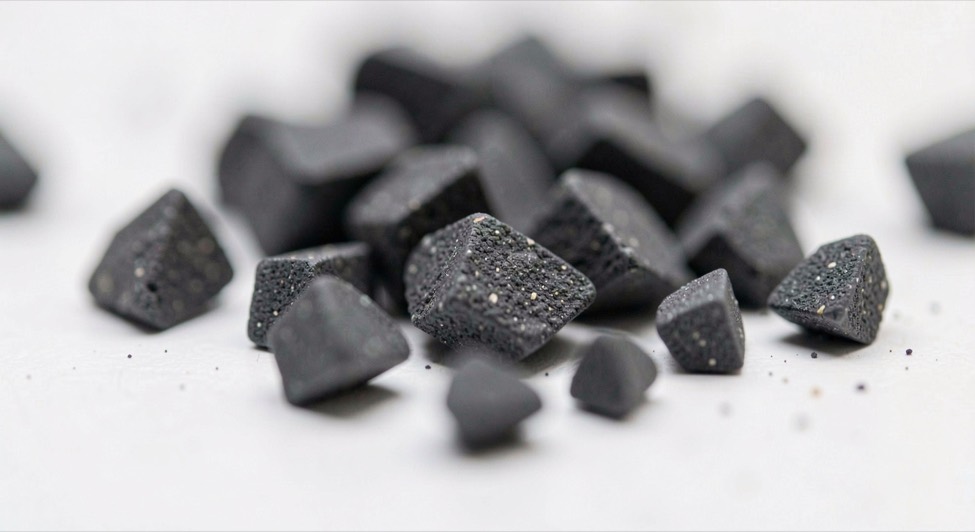
Silicon carbide codeposition: the hard composite deposit
What the public record states about silicon carbide and about the Wankel engine coating that first commercialized composite codeposition.
- Composites and companion coatings
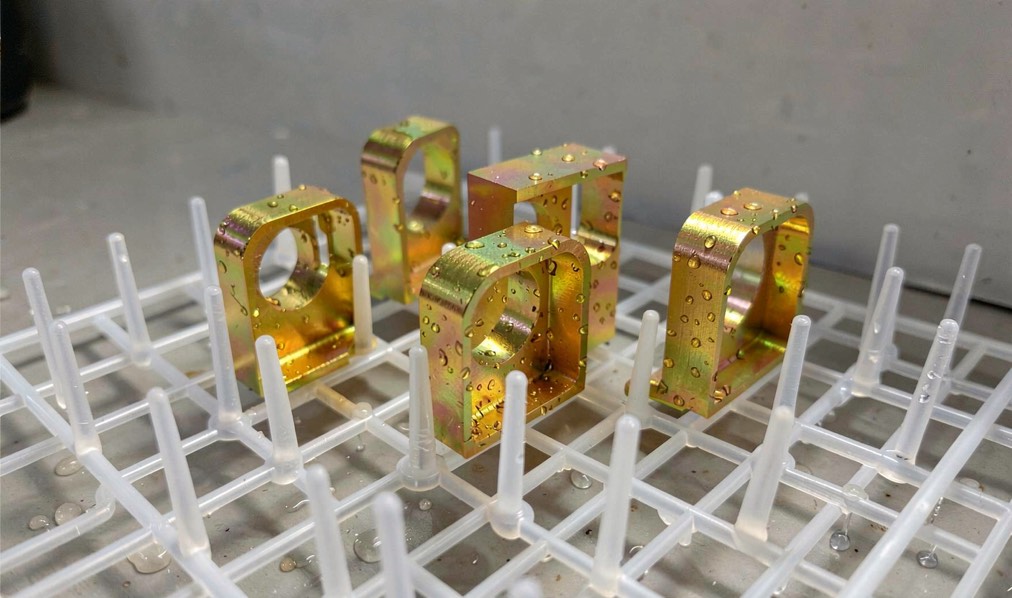
Chem film: chromate conversion coating on aluminium
A sourced note on what chem film actually is on aluminium: the reaction, the gel that dries into a xerogel, thickness in nanometres, residual hexavalent chromium and the standards that govern it.
- Composites and companion coatings
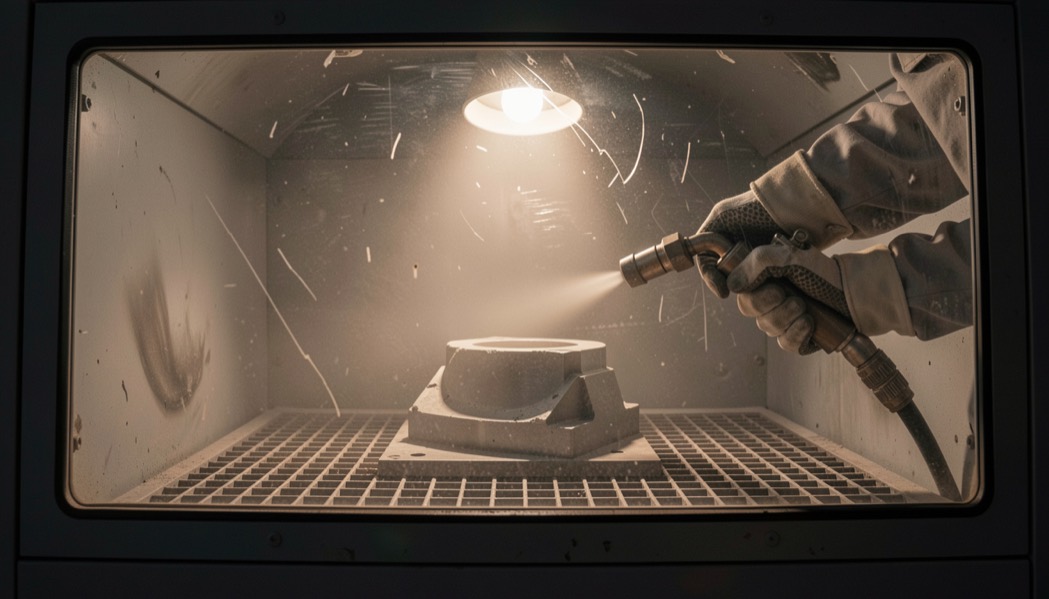
Abrasive blasting before plating
The media, the machines, and the silica hazard behind abrasive blasting, plus the point where mechanical preparation stops and plating chemistry starts.
- Properties and testing
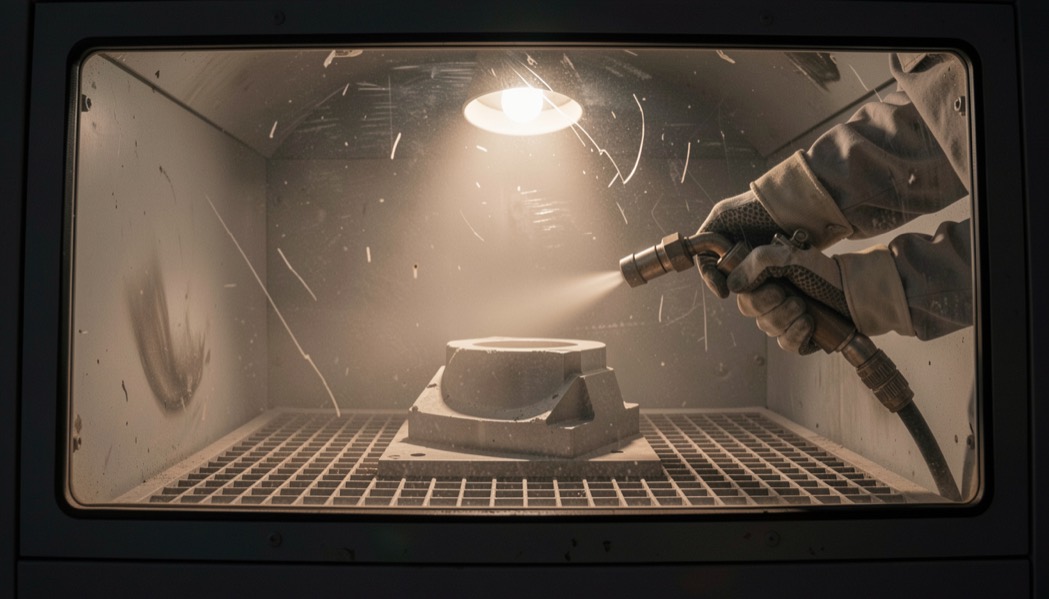
Thickened tailings: what the term covers
Thickened tailings is a defined term in mine waste management. What it names, what it excludes, and why the wording matters in permits and reports.
- The process
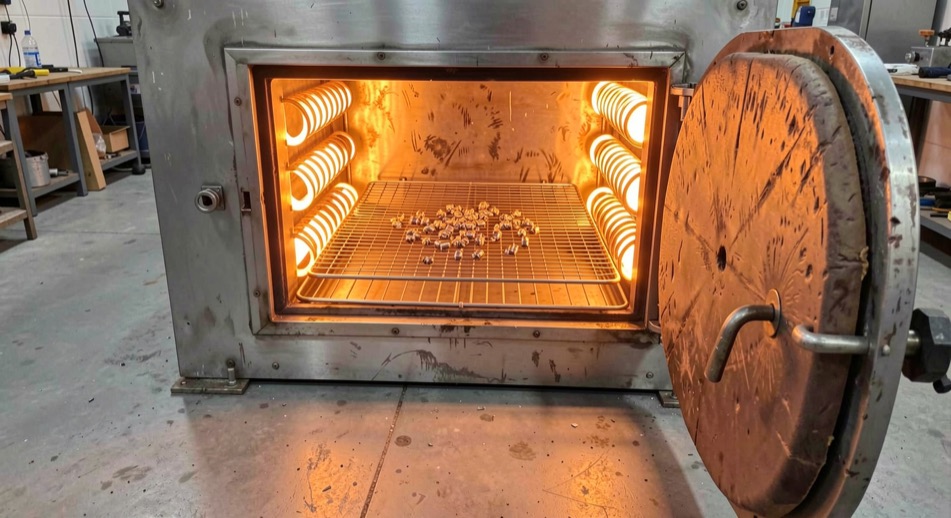
Testing an idea, choosing a status, writing a plan
How to test a business idea before launch, whether to trade as a sole trader or a limited company, and how to write a business plan that funders actually read.
- Composites and companion coatings
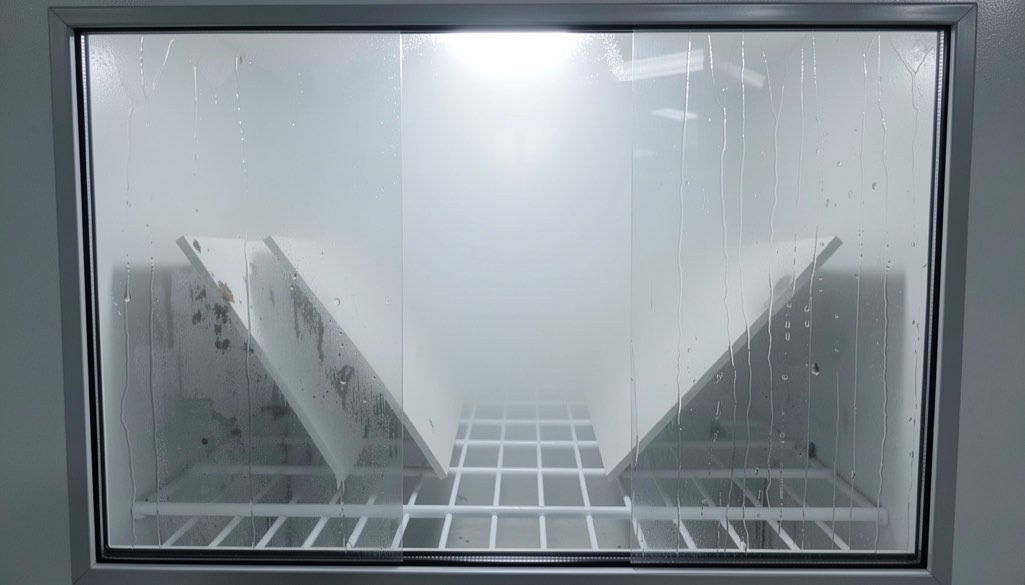
Small business grants and rates relief in Scotland
A plain guide to Scottish small business grants, the small business bonus scheme, and where Inverclyde firms can get public funding advice.
- The process
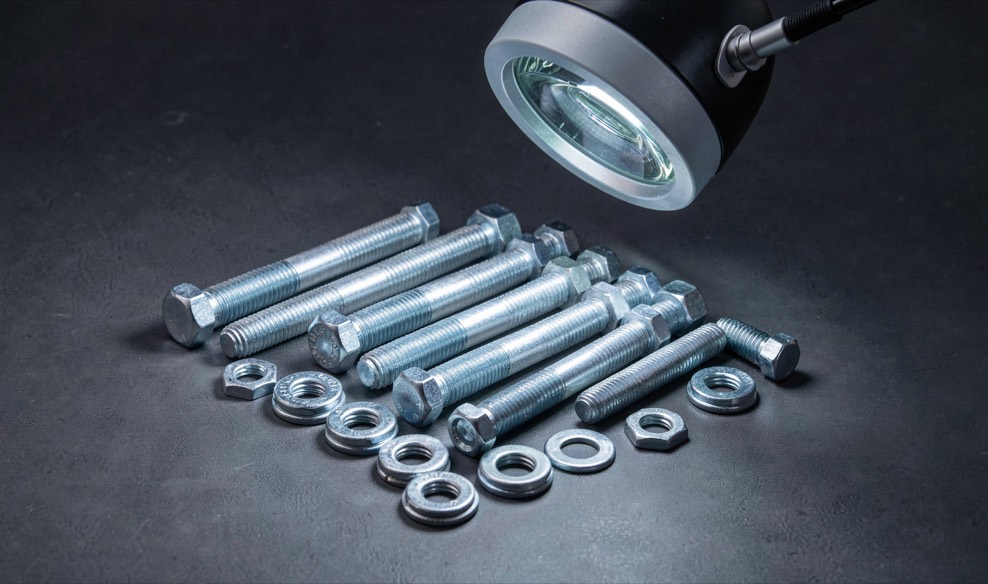
Practical Legal Documents: Reading Before Signing
A working method for reading contracts, leases and founding papers before signature: clause scope, dates of effect, signatures and archives.
- Properties and testing
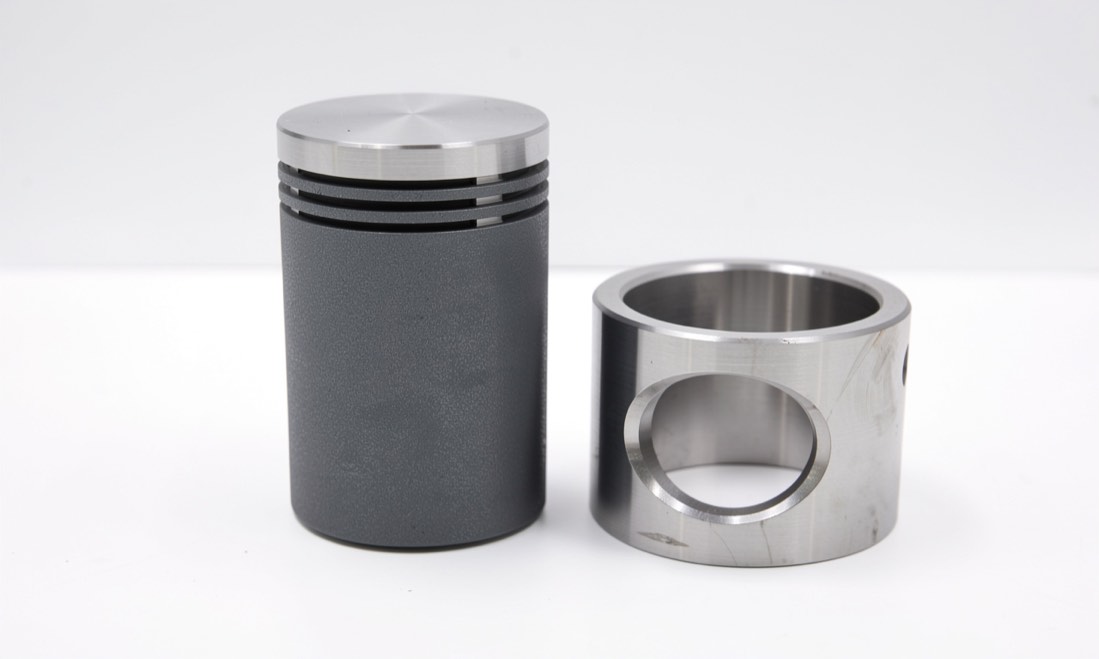
Digital marketing for building and home trades
How small building and home-improvement firms plan a website, check it before launch, and keep control of domain, files and updates.
Why this reference exists
Surface engineering has an unusual documentation problem. The physics is settled and has been for decades, the standards are stable, and yet almost everything a search returns is a supplier page written to win an order. Those pages are not wrong, but they answer a different question than the one an engineer usually has: not "who can plate this?" but "what will this coating actually do, and how will I know whether the shop got it right?"
Hardface Notes answers the second question. Each note states the fact, gives the number with its condition, and names the source it came from. Where the public sources disagree or leave a value open, the note says so instead of picking the more impressive figure.
What is covered, and what is not
The reference is built around autocatalytic nickel plating, because that is the process most often specified and most often misunderstood, and around the treatments that sit next to it on a finishing line: composite deposits with polymer or ceramic particles, chromate conversion coatings on aluminium, abrasive preparation, and the acceptance tests that decide whether a batch ships.
We do not run a plating line, we do not sell a process, and we do not recommend a supplier. There are no case studies here, because we have no cases: every figure on this site comes from a public technical source, and the illustrations are produced images of generic finishing scenes, never evidence of a real part, a real shop or a real certificate.
How a note is built
Every note starts from published technical material: the standard designations an engineer has to put on a drawing, the reference literature on the process, and the test methods that decide acceptance. A figure is only written down with the condition attached to it, because in this field almost every number moves: hardness depends on the heat treatment, corrosion life depends on the thickness and the substrate, and a salt spray hour count means nothing without the test method.
The sources actually used are listed at the foot of each page, and only those. Where two sources give different values, both are given. Where a value is commonly quoted but poorly supported, the note says that instead of repeating it. The illustrations are produced images of generic finishing scenes; they show what a tank, a rack or a test cabinet looks like, and they are never offered as evidence of a fact.
Notes from other desks
- Properties and testing
how a road project gets built
For readers who want to follow an Australian project from business case to opening, including environmental approvals, water planning and how councils buy engineering advice, is covered in plain third-person reporting.
- Properties and testing

aerial refueling journal
For readers who want the hardware side explained, covers boom and probe-and-drogue systems, tanker fleets from the KC-97 to the MQ-25, and the mission planning behind them.
- Properties and testing
incentives subsidies Industrial Policy 2022
Odisha Investment Notes covers industrial policy and approvals, IDCO land and port logistics, and sector project data, with a focus on and the GO SWIFT single window for investors and small enterprises.
- Properties and testing
denim specification notes
For garment engineers who specify denim, cover yarn spinning, twill direction, indigo dyeing, shrinkage, four-point inspection and the tear, tensile and abrasion tests behind a technical sheet.
- Properties and testing

warehouse storage and handling guidance
For readers weighing racking choices, aisle traffic and barcode tracking, covers pallet racking, conveyor selection, daily truck checks and pedestrian routes in plain English.
- Properties and testing
hydrogen from production to end use
For readers who need operational benchmarks rather than advocacy, WHEC Hydrogen covers , from electrolyser efficiency and intermittent renewable coupling to fuel cell duty cycles, pipeline blending, ventilation and detection, and offtake contracts.
- Properties and testing
pipeline incident data
For readers who want the source behind each pipeline safety claim, covers gas transmission, distribution, hazardous liquids and LNG records, declared causes, and the 49 CFR framework for reading them.
- Properties and testing
commercial printing workflows
For buyers of printed matter, The Printroom at covers file preparation, colour management, substrates, labels, packaging and the time and attendance records that offices keep.
The 3 sections of this reference
Each one lists every note it holds
- 01
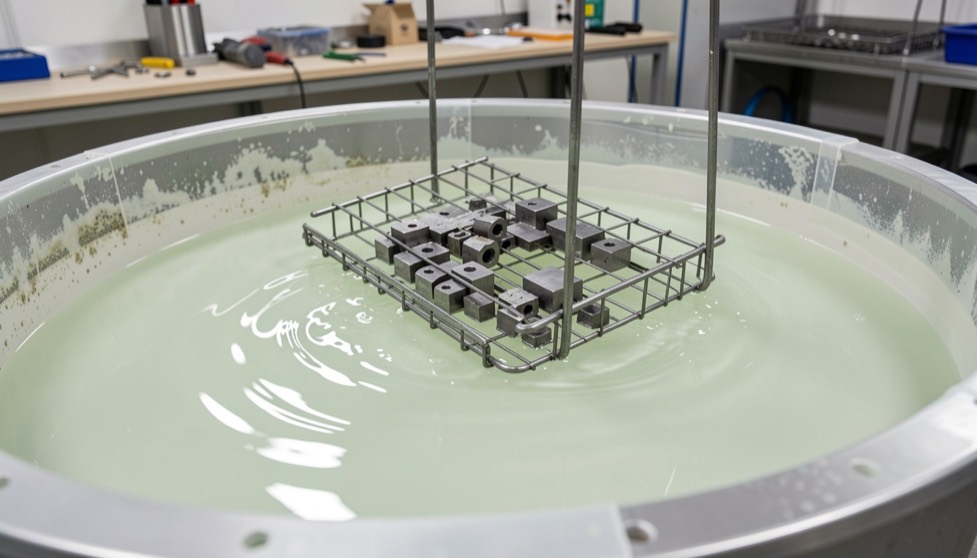
The process
How autocatalytic nickel plating actually deposits metal, what is in the bath, where the method came from, and which parts end up in it.
- Properties and testing
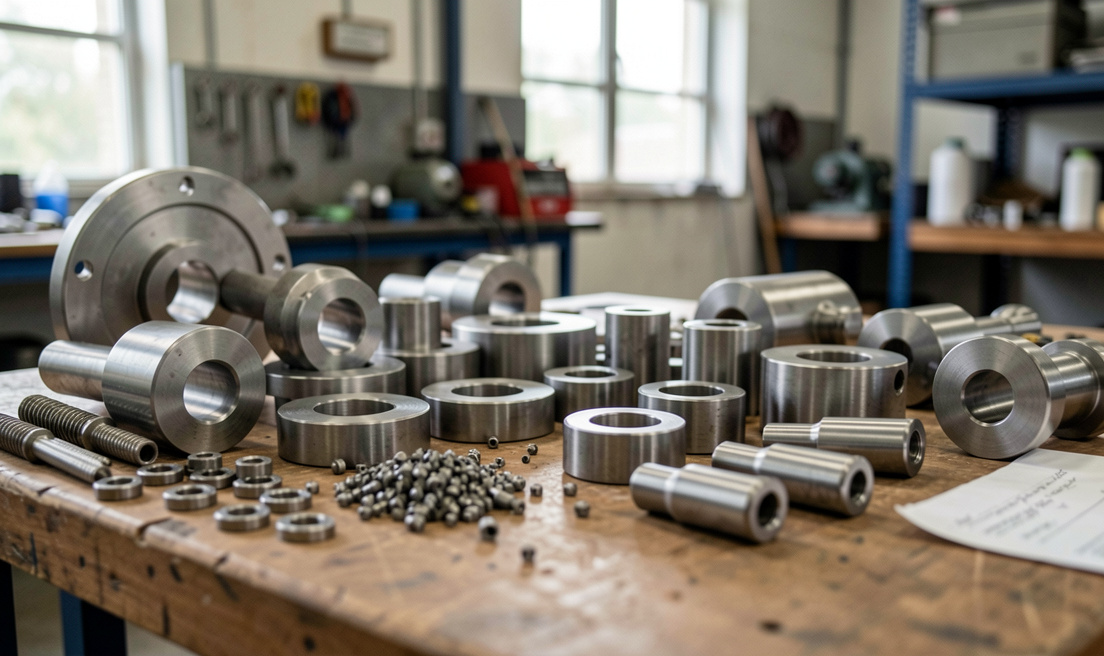
Where electroless nickel actually ends up: parts, industries and salvage
Une publication indépendante à découvrir en complément de nos pages.
- Properties and testing
Why electroless nickel coats a blind hole and electroplating does not
Where an electroplated deposit thins out, and how an autocatalytic nickel bath reaches blind holes, internal threads and non-conductive parts.
- Properties and testing
What is in an electroless nickel bath, and how a surface is activated
What goes into an electroless nickel bath, what each additive does and costs, and the activation routes that let different substrates accept a deposit.
- Properties and testing
The 1946 discovery at the National Bureau of Standards
A dated account of how an accidental find at the National Bureau of Standards gave autocatalytic nickel plating its name and its chemistry.
- Properties and testing
Testing an idea, choosing a status, writing a plan
How to test a business idea before launch, whether to trade as a sole trader or a limited company, and how to write a business plan that funders actually read.
- Properties and testing
Practical Legal Documents: Reading Before Signing
A working method for reading contracts, leases and founding papers before signature: clause scope, dates of effect, signatures and archives.
- 02
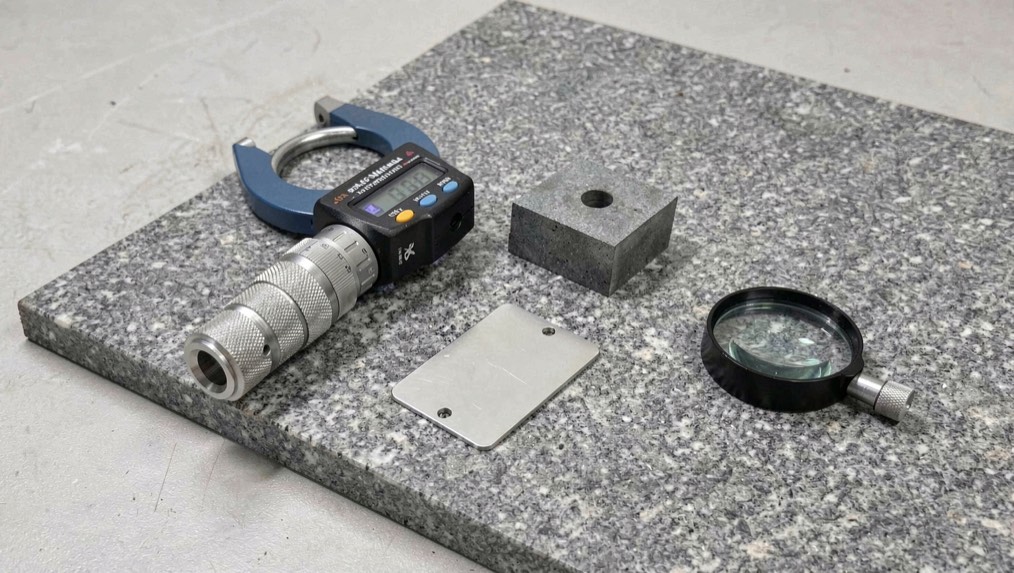
Properties and testing
Phosphorus content, hardness, post-plate baking, hydrogen relief, salt spray and the standards that name each of them.
- Low, medium and high phosphorus: what actually changes
- Hardness and post-plate baking
- Hydrogen embrittlement and relief baking
- What a salt spray test proves, and what it does not
- A map of the standards that name electroless nickel
- Thickened tailings: what the term covers
- Digital marketing for building and home trades
- 03
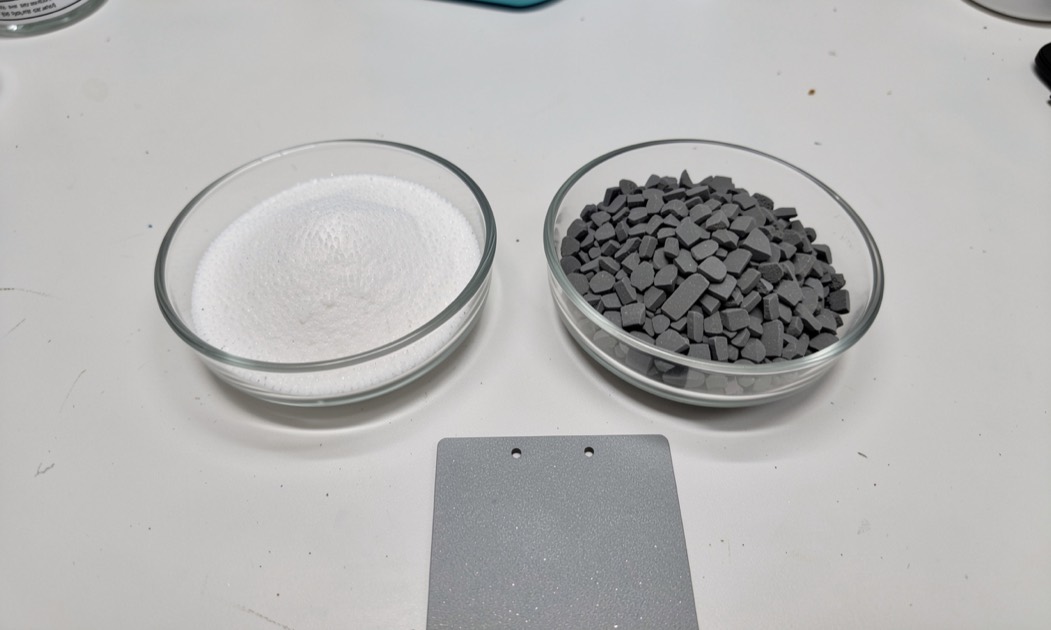
Composites and companion coatings
Particles suspended in the plating bath, chromate conversion on aluminium, and the abrasive preparation that decides whether any of it sticks.
- PTFE codeposition: the low friction composite deposit
- Silicon carbide codeposition: the hard composite deposit
- Chem film: chromate conversion coating on aluminium
- Abrasive blasting before plating
- Small business grants and rates relief in Scotland